Research Article | | Peer-Reviewed

An Assessment of Corporate Wellness Programs on Employee Engagement in Five-Star Hotels in Kenya

Received: 18 March 2025     Accepted: 28 March 2025     Published: 29 April 2025
Views:       Downloads:
Abstract

Five-star hotels in Kenya have experienced high labour turnover which could be attributed to low engagement of workers. This study examined the effect of corporate wellness programs on employee engagement in five-star hotels in Kenya. The study was guided by Maslow’s hierarchy of needs theory. Positivism research philosophy, descriptive research design and stratified proportionate sampling were adopted. Data was gathered from a sample of 369 workers in seven five-star hotels in Kenya using questionnaires. Two five-star hotels in Nairobi City County served as the sites of a pilot test. The acquired data was subjected to both descriptive and inferential statistical analysis with the aid of SPSS version 24. The mean, standard deviation, coefficient of deviation, and percentages were illustrations of descriptive statistics. Multiple regression analysis and correlation analysis were representations of inferential statistics. The results showed that employee engagement and corporate wellness initiatives at Kenya's five-star hotels were significantly and positively related. Based on the study's findings, employee engagement and corporate wellness initiatives in Kenya's five-star hotels are positively correlated, and this relationship was moderated by organizational support. The study recommended that five-star hotels should prioritize the accessibility and convenience of recreational facilities, focus on diversifying the available wellness programs to cater to a broader range of employee preferences and conduct regular surveys or focus groups in order to gauge employee interests and preferences.

Published in Journal of Human Resource Management (Volume 13, Issue 2)
DOI 10.11648/j.jhrm.20251302.12
Page(s) 36-47
Creative Commons

This is an Open Access article, distributed under the terms of the Creative Commons Attribution 4.0 International License (http://creativecommons.org/licenses/by/4.0/), which permits unrestricted use, distribution and reproduction in any medium or format, provided the original work is properly cited.

Copyright

Copyright © The Author(s), 2025. Published by Science Publishing Group

Keywords

Corporate Wellness Programs, Safety Programs, Screening Programs, Recreational Facilities, Employee Engagement

1. Introduction
Employees are regarded as a vital component of an organization's resources, and their engagement is crucial for meeting organizational objectives . Researchers and practitioners throughout the world are becoming more interested in employee engagement as businesses realize the benefits and competitive advantage that engaged workers offer . Employee engagement is a reflection of how involved and enthusiastic workers are about their jobs . While disengaged employees intentionally and emotionally distance themselves from work activities, engaged employees have a sense of attachment to their work, exhibit confidence in their competence, and believe that work is enjoyable . High levels of employee engagement frequently lead to lower turnover intentions, less stress at work, better customer service, higher financial performance and improved psychological well-being. Despite the significance of employee engagement, only 23% of workers globally are engaged, with only 17% in Kenya and 20% in the Sub-Saharan region .
Since the emergence of COVID-19, the 'why' of work has shifted, and employees now expect different things from their employers e.g. a caring employer, wellness programs and greater work-life balance . According to Munyiri, employee wellness initiatives are all-encompassing endeavors created to promote and enhance workers' well-being at work . These programs offer a variety of services that are intended to improve mental, emotional, and physical health as well as work-life balance . Numerous organizations in Kenya, including Safaricom Limited, Aga Khan University Hospital, The Nairobi Hospital, and Serena Hotel, have implemented employee wellness initiatives . Torres and Zhang identified some of the popular wellness initiatives, including safety, screening, fitness, and recreational facilities . The health of an employee is positively impacted by employee wellness programs, which also increase an employee's energy levels, morale, and attitude, enabling them to be more dedicated and engaged in their work . By prioritizing employee wellness, organizations strive to create a positive work environment that fosters productivity, engagement, and overall job satisfaction .
1.1. Statement of the Problem
The hospitality industry is a major pillar in the economic development of Kenya as it contributes to 11% of Kenya’s GDP and employs 18% of the Kenyan workforce . Keeping employees engaged with their assigned tasks has become one of the biggest problems in the modern workplace . Engagement of workers has a significant impact on performance, enhances productivity, innovation, organizational efficiency, advances customer relationship management and overall business success . Disengagement of workers manifests in high absenteeism, poor customer interactions, failure to meet targets, accidents and costs the world economy $8.8 trillion which accounts for 9% of its total GDP . Despite the relevance of employee engagement, the State of the Global Workplace 2023 report indicated that only 17% of Kenyan workers are engaged while 83% are disengaged.
Within the last five years, hotels in Kenya have recorded an employee turnover rate of more than 50% suggesting dissatisfaction and disengagement . As a result, low engagement has led to poor productivity, high pressure on employees, poor customer service, high recruitment and training costs. This negatively affects customer satisfaction and overall success of hotels . Further, prioritizing customer needs in the hotel sector is taking precedence over employee wellbeing which has a negative effect on their health and work performance . Therefore, it is crucial to concentrate on raising employee engagement, particularly among frontline customer-contact staff members who play a huge role in the success of the hotel industry because of their frequent and direct encounters with guests .
Studies have shown that corporate wellness programs play a significant role in increasing employee engagement . 72% of companies who provided wellness programs reported that they had a favorable effect on employee engagement and morale, according to a survey by the Society for Human Resource Management in 2021. Empirical research on the impact of wellness initiatives on employee engagement in other industries is more extensive than that of five-star hotels in Kenya. Thus, the goal of this study was to investigate how corporate wellness initiatives affected staff engagement within five-star hotels in Kenya.
1.2. Objectives of the Study
1. To determine the effect of corporate wellness programs on employee engagement in five-star hotels in Kenya.
2. To examine the moderating effect of organizational support on the relationship between corporate wellness programs and employee engagement in five-star hotels in Kenya.
1.3. Research Hypotheses
H01: There is no statistically significant effect of corporate wellness programs on employee engagement in five-star hotels in Kenya.
H02: There is no statistically significant moderating effect of organizational support on the relationship between corporate wellness programs and employee engagement in five-star hotels in Kenya.
2. Theoretical Framework
2.1. Maslow’s Hierarchy of Needs Theory
Abraham Maslow developed this theory in 1943. Needs drive human behavior and once a lower need is met, people are motivated by unmet needs to work towards achieving them . This theory is based on the assumptions that human needs are arranged in a hierarchy, moving from the most basic to the most complex and after a person's lower-level need is met, they move on to their next higher-level need . Physiological, safety, social, self-esteem, and self-actualization needs are all included in Maslow's hierarchy of needs . With regard to the hierarchy of needs, a person's behavior should be guided by their goals, and motivation should result in goal-directed behavior . Maintaining a balance of needs between work and non-work activities will promote work-life harmony, which in turn boosts employee engagement at the workplace . To achieve work-life harmony, an employee's roles at work and outside of work must be balanced. An employer should aim to achieve this balance, which will increase the employee's commitment and engagement. However, if employees fail or are unable to meet their needs, they may feel more stress and detach from work .
This theory is pertinent to the current study as it links motivation to employee engagement and performance. Corporate wellness programs encompass additional services offered by an organization, such as housing, medical, recreational facilities, libraries, gyms, and health clubs, among others, to increase employee motivation and satisfaction . Once employee needs are met, they will be more focused and have a positive attitude, resulting in quality service delivery, improved motivation and lower turnover rates, absenteeism, productivity losses and medical costs . The wellness initiatives offered by employers aim to improve employees’ level of dedication, their love for their work, and most importantly their performance at work . Critics asserted that the satisfaction of one need does not predict the presence of another need and further alleged that this theory is more Western in nature and cannot be applied in many parts of the world . However, Miltko declared that this theory is applicable in every business sector today .
2.2. Empirical Review
Globally, studies have shown that corporate wellness programs positively impact employee well-being, productivity and engagement towards the organization. Marshall investigated the impact of extensive wellness programs on workers' job satisfaction levels in the US hospitality industry . The findings demonstrated that maintaining good health improved an employee’s overall mindset, which then influenced their job satisfaction. Gubler, Larkin, and Pierce examined the relationship between corporate wellness programs and workers' productivity in five laundries in California . The adopted wellness programs were shown to boost perceptions of organizational commitment to employees and job satisfaction, improved general well-being, work-life balance, and also showed that healthier workers were more engaged and productive. Britto and Magesh assessed the effect of wellness programs on employee engagement in India . The study found that wellness initiatives provided kept workers content, motivated, and dedicated, enhanced work-life balance, developed a positive workplace culture and improved efficiency.
In Africa, Juba analyzed the impact of wellness programs on employee engagement . The study established that employee well-being positively impacts work performance and productivity as well as organizational commitment, job satisfaction, and work-life balance. Kumar, De Bruyn and Bushney explored the relationship between employee wellness programs and employee engagement in South Africa . The results indicated perks of employee wellness for organizations as decreased absenteeism, occupational accidents, healthcare costs, employee turnover and improved employee performance, productivity, employment relations, compliance with legal requirements, profitability, employer brand, and employee health.
In Kenya, corporate wellness programs have been linked to happier, healthier and more productive employees. Kitali assessed the effect of employee wellness programs on employee commitment in KCB Bank in Nairobi City County, Kenya . Findings showed that widely implementing wellness programs increased employees' satisfaction with their work, productivity, commitment and produced healthy, committed, devoted, and motivated workers. Muriuki evaluated the perceived benefits of corporate wellness programs at Radisson Blu Hotel in Kenya and found that these initiatives boosted staff morale and loyalty to the hotel, increased worker productivity, safety, and conduct, and decreased absenteeism, turnover, and medical costs . Ndung’u revealed that Safaricom had put in place corporate wellness programs that boosted workers' productivity, motivation, work-life balance, and overall health and well-being, as well as the employer's profitability . Employees were happy with their jobs, more creative, committed, and engaged with the organization .
2.3. Conceptual Framework
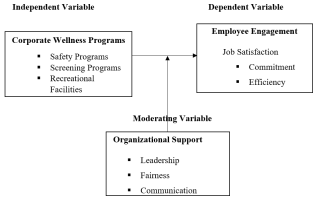
Figure 1. Conceptual framework Source: (Researcher, 2024).
3. Research Methodology
This study was guided by the positivism research philosophy, which aims to provide complete understanding of reality as it is . The study adopted descriptive research design. This design is suitable for collecting data aimed at describing phenomena, individuals, environments, or organizations . The study's target population included 25 five-star hotels in Kenya whereas the unit of observation was 4,857 employees working in five-star hotels. Stratified proportionate random sampling technique was employed. Slovin’s formula (1960) was adopted to obtain a sample size of 369 respondents. To acquire primary data, structured questionnaires were employed. The suitability of the questionnaires was pre-tested by administering them to 2 five-star hotels within Nairobi City County which translated to 8% of the entire population.
Cronbach's alpha was adopted to assess the instrument's reliability. To analyze the data, this study employed both descriptive and inferential statistics. Descriptive statistics used percentages, mean, standard deviation and coefficient of variation to explain and summarize the data clearly, whereas inferential statistics used correlation analysis and regression analysis to measure potential relationships among constructs and test hypotheses. Content analysis was utilized to analyze the data obtained from open-ended questions. Stepwise regression was guided by the following models;
Y =β0+ β1X1 + ε(1)
Y =β0+ β1X1 +βzZ +ε(2)
Y =β0+ β1X1 +βzZ(β1X1*Z) +ε(3)
Where:
Y = Employee Engagement
β0 = constant coefficient (Y intercept)
β1 = regression coefficient for the independent variable
βZ = estimate of the population regression coefficient for Z
X1 = Flexible Work Arrangements
Z = Organizational Support (Moderating Variable)
ε = error term
4. Results and Discussions
4.1. Pilot Study Results
The reliability of the questionnaire was tested using Cronbach’s Alpha.
The findings indicated that corporate wellness programs had a Cronbach’s Alpha coefficient of 0.818, organizational support had a Cronbach’s Alpha coefficient of 0.793 while employee engagement had a Cronbach’s Alpha coefficient of 0.924. All the variables demonstrated high reliability. The questionnaire was therefore considered to be suitable for application in data analysis for this research study.
Table 1. Summary of Reliability Statistics.

Variable

Number of Items

Cronbach’s Alpha

Decision

Corporate Wellness Programs

8

0.818

Accepted

Organizational Support

8

0.793

Accepted

Employee Engagement

8

0.924

Accepted

4.2. Descriptive Analysis
This section delves into the descriptive statistics of corporate wellness programs and their perceived effect on employee engagement within five-star hotels in Kenya. The findings provide insights into the effectiveness of these practices in enhancing job satisfaction, employee engagement and work-life balance.
4.2.1. Corporate Wellness Programs and Employee Engagement
The study sought to determine the effect of corporate wellness programs on employee engagement in five-star hotels in Kenya. This variable was measured using the following indicators; safety programs, screening programs and recreational facilities.
Table 2. Descriptive Statistics for Corporate Wellness Programs.

Statements on Corporate Wellness Programs

SD%

D%

N%

A%

SA%

Mean

Std Dev

CV%

The hotel provides health education to all employees.

7

20

7

56

10

3.40

1.128

33.18

Safety training is regularly availed to all employees.

3

63

0

31

3

2.68

1.039

38.77

Sensitization on health hazards has reduced accidents at the workplace.

9

13

6

63

15

3.76

.959

25.51

Health screening is regularly availed by the hotel.

12

31

3

48

6

3.05

1.233

40.43

Screening programs provided improve the health of workers.

1

6

13

64

15

3.87

.795

20.54

Employees have access to recreational facilities such as gym, swimming pool.

23

63

0

11

3

2.09

.978

46.79

My work allows time for exercise or relaxation activities.

13

66

6

14

1

2.27

.919

40.49

Wellness programs offered meet the needs of workers and promote engagement.

4

15

3

63

15

3.70

1.018

27.51

Average

3.10

1.009

34.15

64% of the respondents were in agreement that screening programs provided have improved their health. 63% acknowledged that sensitization on health hazards has reduced accidents at the workplace and wellness programs offered meet the needs of workers and promote engagement. 56% affirmed that five-star hotels provide health education to all employees and 48% indicated that health screening is regularly availed by the hotel. However, 66% disagreed that their work allows time for exercise and 63% refuted that safety training is regularly availed to all employees and also reported that they had no access to recreational facilities such as gym, swimming pool.
4.2.2. Organizational Support
This section examines the level of organizational support within five-star hotels in Kenya. This variable was measured using the following indicators; leadership, fairness and communication.
Table 3. Descriptive Statistics for Organizational Support.

Statements on Organizational Support

SD%

D%

N%

A%

SA%

Mean

Std Dev

CV%

My supervisor provides impartial guidance.

0

20.1

6.0

62.7

11.3

3.65

.925

25.34

I get enough support from my supervisors.

0

16.3

0

62.7

21.0

3.88

.923

23.79

Recognition would make me more committed.

0

28.2

1.6

63.9

6.3

3.48

.971

27.90

Fairness and justice at my workplace inspire me.

2.2

28.2

0

63.3

6.3

3.39

.918

27.08

I feel respected and valued at my workplace.

1

27

2.2

69.2

0

3.43

1.034

30.15

The management offers constant feedback.

6.0

53.3

0

31.3

9.4

2.85

1.201

42.14

My supervisor communicates candidly and consistently.

3.1

21.9

5.3

64.9

4.7

3.46

.986

28.50

The organizational culture creates the right work environment to thrive and be effective.

6.3

32.9

0

48.3

12.5

3.28

1.221

37.23

Average

3.43

1.022

30.27

69.2% of the respondents indicated that they felt respected and valued, 64.9% agreed that their supervisors communicated candidly and consistently, 63.7% conveyed that recognition would make them more committed, 63.3% agreed that fairness and justice at their workplace inspire them, 62.7% of the respondents agreed that, their supervisors provided impartial guidance and enough support while 48.3% acknowledged that the organizational culture created the right work environment to thrive and be effective. 53.3% disagreed that the management offers constant feedback.
4.2.3. Employee Engagement
This section presents descriptive statistics on the level of employee engagement within five-star hotels in Kenya. Employee engagement was measured using indicators such as job satisfaction, commitment and efficiency.
Table 4. Descriptive Statistics for Employee Engagement.

Statements on Employee Engagement

SD%

D%

N%

A%

SA%

Mean

Std Dev

CV%

I am proud of the work that I do.

1.6

18.8

0

63.9

15.7

3.73

.991

26.57

I am enthusiastic about my job.

6.3

15.7

0

62.7

15.4

3.65

1.108

30.36

I feel happy when am working intensely.

0.6

15.7

0

64.9

18.8

3.86

.924

23.94

I am committed to my work.

8.2

31.7

0

60.2

0

3.12

1.111

35.61

I feel full of energy while at work.

1.6

28.2

0

62.7

7.5

3.46

1.030

29.77

My job inspires me and I love it.

0

17.2

0

62.7

20.1

3.86

.934

24.20

I am a good time keeper.

0.9

21.9

0

64.6

12.5

3.66

.987

26.97

I utilize the resources at my workplace effectively.

0

11.3

2.2

62.7

23.8

3.99

.845

21.18

Average

3.67

.991

27.33

64.9% agreed that they felt happy when working intensely, 64.6% were good time keepers, 63.9% were proud of their work, 62.7% were enthusiastic about their job, felt full of energy while at work, felt inspired by their job and utilized resources at the workplace effectively. 60.2% agreed that they were committed to their work.
4.3. Qualitative Analysis of Corporate Wellness Programs and Organizational Support
The study aimed to evaluate the effectiveness of corporate wellness programs on employee engagement in five-star hotels in Kenya. Respondents were invited to propose measures that could be implemented to enhance these wellness programs in five-star hotels in Kenya. 78% suggested that five-star hotels should allow employees to utilize recreational facilities such as the gym and swimming pools. 62% of the respondents recommended that five-star hotels should implement a system of rewards and incentives to encourage participation in wellness programs. 61% suggested that five-star hotels should often communicate about wellness initiatives. 57% of the respondents further reported that five-star hotels in Kenya should organize seminars on issues such as nutrition, fitness, and work-life balance to promote continuous learning and engagement. 54% of the respondents indicated that five-star hotels should conduct surveys to identify employee wellness needs. 52% of the respondents reported that they should be offered access to mental health support, including counseling services, and allowed to attend workshops on stress management techniques. To enhance organizational support, 63% indicated that managers should be present and supportive, 61% suggested that professional development programs would boost their careers, 55% recommended thatfive-star hotels should promote a more inclusive workplace culture, 54% hinted at scheduling periodic team-building events and 49% recommended formulation of incentive programs.
4.4. Correlation Analysis
Correlation analysis shows the nature and strength of relationship between dependent and independent variables. Pearson correlation was applied to determine the degree of association between the corporate wellness programs, organizational support and employee engagement.
Table 5. Correlation Analysis of Corporate Wellness Programs and Employee Engagement.

Employee Engagement

Corporate Wellness Programs

Organizational Support

Employee Engagement

Pearson Correlation

1

.812**

.870**

Sig. (2-tailed)

.000

.000

N

319

319

319

Corporate Wellness Programs

Pearson Correlation

.812**

1

.645**

Sig. (2-tailed)

.000

.000

N

319

319

319

Organizational Support

Pearson Correlation

.870**

.645**

1

Sig. (2-tailed)

.000

.000

N

319

319

319

**. Correlation is significant at the 0.01 level (2-tailed).
The findings demonstrated that there was a positive and significant correlation between corporate wellness programs and employee engagement in five-star hotels in Kenya (r= 0.812, p=.000). This result implied that an increase in corporate wellness programs would result to a substantial increase in employee engagement in five-star hotels in Kenya. Similarly, Muriuki found that corporate wellness initiatives boost worker engagement, which improves output and work-life balance . This was indicated by a Pearson correlation of 0.977 and p-value of .000 which implied there was a strong, positive and significant correlation. By keeping workers mentally and physically fit, an effective wellness program can boost employee productivity by promoting high morale, engagement, and retention as well as other positive health outcomes.
4.5. Regression Analysis
Regression analysis assesses how strongly the dependent and independent variables are related. The strength of the regression model was assessed using the coefficient of determination (R2) and p-value.
H01: There is no statistically significant relationship between corporate wellness programs and employee engagement in five-star hotels in Kenya.
Table 6. Model Summary.

Model

R

R Square

Adjusted R Square

Std. Error of the Estimate

1

.812a

.660

.659

.46259

a. Predictors: (Constant), Corporate Wellness Programs
The results indicated a coefficient of determination of 0.66, implying that changes in corporate wellness programs accounted for 66% of the variance in employee engagement. These findings resonate with Kumar et al., whose findings established a significant relationship between employee wellness programs and employee engagement .
Table 7. ANOVA.

Model

Sum of Squares

df

Mean Square

F

Sig.

Regression

131.529

1

131.529

614.651

.000b

1 Residual

67.835

317

.214

Total

199.363

318

a. Dependent Variable: Employee Engagement
b. Predictors: (Constant), Corporate Wellness Programs
The F-test was significant as indicated by an F-statistic of 614.651 with a corresponding p-value of.000, indicating statistical significance at the 5% level. These findings suggested that there is a significant relationship between corporate wellness programs and employee engagement. These results resonate with Kitali who revealed that employee wellness programs resulted in employee satisfaction with their work, and produced healthy, committed and engaged workers .
Table 8. Regression Coefficients.

Unstandardized Coefficients

Standardized Coefficients

B

Std. Error

Beta

t

Sig.

(Constant)

.801

.182

4.401

.000

Corporate Wellness Programs

1.439

.058

.812

24.810

.000

a. Dependent Variable: EE
The constant term had a regression coefficient of β0=0.801 which implied that, holding corporate wellness programs constant would increase employee engagement by 0.801. Corporate wellness programs had β1=1.439, t=24.792, p<0.05. This implied that corporate wellness programs had a significant effect on employee engagement and for every unit increase in corporate wellness programs, employee engagement would increase by 1.439 units. The null hypothesis was rejected based on the outcome that corporate wellness programs have a positive and significant effect on employee engagement in five-star hotels in Kenya. These findings agree with similar studies by Muriuki and Saks which revealed that effective wellness programs enhanced employee engagement . Further, there was a higher likelihood of job satisfaction among the employees, a positive attitude towards work, willingness to go the extra mile for their employers, feeling confident about their physical health, and engaged. The regression model obtained from the output was;
EE=0.801+1.439CWP
4.6. Moderating Effect of Organizational Support
The study sought to examine the moderating effect of organizational support on the relationship between corporate wellness programs and employee engagement in five-star hotels in Kenya and it was guided by the following null hypothesis;
H02: There is no statistically significant moderating effect of organizational support on the relationship between corporate wellness programs and employee engagement in five-star hotels in Kenya.
Table 9. Model Summary.

Model

R

R Square

Adjusted R Square

Std. Error of the Estimate

R Square Change

1

.812a

.660

.659

.46259

.660

2

.930b

.864

.864

.29243

.204

3

.937c

.878

.877

.27763

.014

a. Predictors (Constant), Corporate Wellness Programs
b. Predictors (Constant), Corporate Wellness Programs, Organizational Support
c. Predictors (Constant), Corporate Wellness Programs, Organizational Support, Interaction between Corporate Wellness Programs and Organizational Support
d. Dependent variable: Employee Engagement
In Model 1, the R2 was 0.660 which inferred that, corporate wellness programs accounted for 66% of the variation in employee engagement. Model 2 recorded an R2 of 0.864 pointing out that there was an R2 change of 20.4% upon introduction of the moderating variable. This implied that corporate wellness programs together with organizational support explained 86.4% of the variance in employee engagement. Model 3 indicates an R2 of 0.878 which suggested that after inclusion of the moderating and the interaction variables, corporate wellness programs explained 87.8% of the variance in employee engagement. There was also an increase of 1.4% when the interaction variable was included in Model 3. The findings suggested that organizational support adds value to the model and moderates the relationship between corporate wellness programs and employee engagement in selected five-star hotels in Kenya.
Table 10. ANOVA.

Model

Sum of Squares

df

Mean Square

F

Sig.

1

Regression

131.529

1

131.529

614.651

.000b

Residual

67.835

317

.214

Total

199.363

318

2

Regression

172.340

2

86.170

1007.652

.000c

Residual

27.023

316

.086

Total

199.363

318

3

Regression

175.084

3

58.361

757.163

.000d

Residual

24.280

315

.077

Total

199.363

318

a. Dependent Variable: Employee Engagement
b. Predictors: (Constant), Corporate Wellness Programs
c. Predictors: (Constant), Corporate Wellness Programs, Organizational Support
d. Predictors: (Constant), Corporate Wellness Programs, Organizational Support, Interaction between Corporate Wellness Programs and Organizational Support
The results from the three models indicate a strong relationship, as demonstrated by Model 1 (F=614.651; p<0.05), Model 2 (F=1007.652; p<0.05), and Model 3 (F=757.163; p<0.05). From Model 1 to 3, there was a notable increase in the computed F-statistic, and the p-values remained below 0.05 across all the models. These results suggested that there is a significant relationship between corporate wellness programs and employee engagement in five-star hotels in Kenya, both before and after the inclusion of the moderating and interaction variables.
Table 11. Regression Coefficients.

Model

Unstandardized Coefficients

Standardized Coefficients

t

Sig.

B

Std. Error

Beta

1

(Constant)

.801

.182

4.398

.000

Corporate Wellness Programs

1.439

.058

.812

24.792

.000

2

(Constant)

.744

.115

6.463

.000

Corporate Wellness Programs

.763

.048

.431

15.891

.000

Organizational Support

.595

.027

.592

21.846

.000

3

(Constant)

3.451

.467

7.394

.000

CWP Corporate Wellness Programs

1.659

.157

.936

10.569

.000

Organizational Support

1.647

.178

1.637

9.244

.000

Corporate Wellness Programs *Organizational Support

.339

.057

1.430

5.966

.000

a. Dependent Variable: Employee Engagement
For Model 1, the constant term had a regression coefficient of β0=0.801 which implied that, holding corporate wellness programs constant would increase employee engagement by 0.801. Corporate wellness programs had β1=1.439, t=24.792, p<0.05. This inferred that corporate wellness programs had a significant effect on employee engagement and for every unit increase in corporate wellness programs, employee engagement would increase by 1.439 units. For Model 2, the moderating variable was introduced in the model and findings revealed that corporate wellness programs (β=0.763, t=15.891, p<0.05) together with organizational support (β=0.595, t=21.846, p<0.05) have a significant effect on employee engagement. In Model 3, the interaction between corporate wellness programs and organizational support had a significant effect on employee engagement (β=0.339, t=5.966, p<0.05). These findings demonstrated that all coefficients are statistically significant at the 0.05 level, implying that all the predictors have a significant effect on employee engagement. Based on these findings, the null hypothesis was rejected and the study concluded that organizational support has a significant moderating effect on the relationship between corporate wellness programs and employee engagement in five-star hotels in Kenya. In a similar study, Munyiri indicated that, management's support, involvement, and direction were essential to the uptake of the wellness initiatives owing to the benefits these programs bring to an organization .
After moderation, the regression models become:
EE=0.801+1.439CWP
EE=0.744+0.763CWP+0.595OS
EE=3.451+1.659CWP+1.647OS+0.339CWP*OS
5. Conclusion and Recommendations
5.1. Conclusion
This study assessed the effect of corporate wellness programs on employee engagement in five-star hotels in Kenya. The study also tested the hypothesis that corporate wellness programs do not have a significant effect on employee engagement in five-star hotels in Kenya. The descriptive statistics, correlation, and regression results consistently indicate a significant and positive relationship between corporate wellness programs and employee engagement in five-star hotels in Kenya. Descriptive statistics indicated that majority agreed that corporate wellness programs were satisfactory and promote employee engagement as shown by a mean of 3.10. The findings from the correlation analysis showed that the relationship between corporate wellness programs and employee engagement in five-star hotels in Kenya was positive and highly significant based on the Pearson Correlation Coefficient of r= 0.812.
Likewise, corporate wellness programs explained a substantial amount of total variations in employee engagement in five-star hotels in Kenya based on the coefficient of determination of 0.66. The ANOVA results and regression coefficients had a p-value less than 0.05 across the three models which inferred that there was a significant relationship between corporate wellness programs and employee engagement in five-star hotels in Kenya and the null hypothesis was rejected. This study adds value to the literature as it enriches Maslow’s Hierarchy of needs theory, investigates the moderating effect of organizational support and the results add to the body of knowledge in the hotel industry about employee engagement with corporate wellness initiatives. Moving to the realm of corporate wellness programs, the study emphasizes their positive impact on employee engagement. The evident satisfaction among employees with the quality and variety of wellness programs, as well as the programs' contributions to their physical well-being, amplifies the significance of recreational facilities, health screenings and safety training in creating a more engaged workforce. Such initiatives not only improve employees' health and reduce stress but also foster a sense of collaboration and well-being, thereby positively influencing their overall engagement. This study therefore concludes that corporate wellness programs have a positive and significant effect on employee engagement in five-star hotels in Kenya.
5.2. Recommendations
In light of the results, the study suggests that five-star hotels in Kenya should prioritize the accessibility and convenience of recreational facilities to make participation easier for all employees. They should also focus on diversifying the available wellness programs to cater to a broader range of employee preferences. Regular surveys or focus groups can help to gauge employee interests and preferences, guiding the selection of appropriate wellness programs. Health screening should be regularly conducted and sensitization on health hazards should be optimized to reduce accidents at the workplace. In order to enhance employee engagement, five-star hotels should come up with policies and work schedules that allow employees free time to rest and also exercise. Collaborating with health experts or fitness professionals can enhance the quality of these programs and provide personalized guidance to employees.
In order to enhance employee engagement, five-star hotels should formulate policies regarding wellness initiatives, appoint a wellness officer and encourage participation in the wellness programs. This study provides valuable insights that can help organizations address mental health issues by offering more wellness initiatives. Further, this study proposes that future research may focus on other determinants of employee engagement and comparative studies can be done to ascertain the magnitude of the effect of corporate wellness programs on employee engagement of different firms or fields. This research was subject to certain challenges such as time and financial constraints, relied only on questionnaires to collect data and the findings may not be generalized to other industries. Future studies can use various methods of data collection and also do comparative studies in other industries.
Abbreviations

ANOVA

Analysis of Variance

COVID

Corona Virus Disease

CWP

Corporate Wellness Programs

DF

Degrees of Freedom

EE

Employee Engagement

GDP

Gross Domestic Product

KCB

Kenya Commercial Bank

OS

Organizational Support

PwC

Pricewaterhouse Coopers

SPSS

Statistical Package for the Social Sciences

Author Contributions
Christine Syombua Kathukya: Conceptualization, Data curation, Formal Analysis, Investigation, Methodology, Resources, Software, Validation, Visualization, Writing – original draft, Writing – review & editing
Grace Mwangi: Conceptualization, Project administration, Supervision, Validation
Monah Maundu: Conceptualization, Project administration, Supervision, Validation
Conflicts of Interest
The authors declare no conflicts of interest.
References
[1] Atiku, S. O., & Van Wyk, E. (2024). Leadership Practices and Work Engagement in Higher Education: The Mediating Role of Job Demands-Resources. SAGE Open, 14(1), 21582440241233378
[2] Alam, I., Kartar Singh, J. S., & Islam, M. U. (2021). Does supportive supervisor complement the effect of ethical leadership on employee engagement? Cogent Business & Management, 8(1), 1978371
[3] Bui, D. H., & Le, A. T. T. (2023). Improving employee engagement through organizational culture in the travel industry: Perspective from a developing country during Covid-19 pandemic. Cogent Business & Management, 10(2), 2232589.
[4] Heslina, H., & Syahruni, A. (2021). The influence of information technology, human resources competency, and employee engagement on the performance of employees. Golden Ratio of Human Resource Management, 1(1), 01-12
[5] Gallup. (2023), State of the Global Workplace, Gallup Press, New York.
[6] Kaya, M. K. (2021). Impact of the COVID-19 Outbreak on Minority Shareholder Protection. Business Law Review, 42(2).
[7] Munyiri, N. E. (2023). Factors influencing uptake of wellness programmes at AMREF Health Africa, Kenya (Doctoral dissertation, Doctoral dissertation), Strathmore University)
[8] Berry, L., Mirabito, A. M., & Baun, W. B. (2020). What's the hard return on employee wellness programs? (pp. 2012-2068). SSRN.
[9] Torres, E. N., & Zhang, T. (2021). The impact of wearable devices on employee wellness programs: A study of hotel industry workers. International Journal of Hospitality Management, 93, 102769
[10] Carnevale, J. B., & Hatak, I., (2020). “Employee adjustment and well-being in the era of COVID-19: Implications for human resource management”, Journal of Business Research, 116(2020), pp. 183-187
[11] Otenyo, E. E., & Smith, E. A. (2017). An overview of employee wellness programs (EWPs) in large US cities: Does geography matter? Public Personnel Management, 46(1), 3-24
[12] PwC (2019). The employee health and wellness revolution: A global perspective.
[13] Satya, Y., Supriadi, Y. N., Setiadi, I. K., & Desmintari, D. (2022). The Influence of Organizational Resources, Organizational Engagement Climate and Job Resources on Employee Engagement Generation Y in Tangerang. International Journal of Business, Technology and Organizational Behavior (IJBTOB), 2(5), 484-498
[14] Sjahruddin, H., Sari, D. P., & Hakiki, R. (2024). Dynamics of Employee Engagement and Implementation of Adaptive Leadership in Increasing Work Productivity: The Mediating Role of Job Satisfaction Journal of Business Economic Informatics, 23-27
[15] Kobia, M. P. (2021). Organizational Culture Orientations and Employee Turnover among 18-holes private members golf clubs within Nairobi City County-Kenya (Doctoral dissertation, Kenyatta university).
[16] Adebayo, A. A., & Ibrahim, W. (2023). Flexible Working Arrangements and Employees' Job Satisfaction in Hospitality Industry. African Journal of Management and Business Research, 11(1), 173-196
[17] Rabiul, M. K., Yean, T. F., Patwary, A. K., & Hilman, H. (2022). Linking leadership styles and two-way communication to engagement: A study among the hospitality employees in Bangladesh. International Journal of Hospitality & Tourism Administration, 23(6), 1219-1241
[18] Marshall, C. (2020). Analysis of a comprehensive wellness program's impact on job satisfaction in the workplace. International Hospitality Review, 34(2), 221-241
[19] Tang, G., Chen, Y., Jiang, Y., Paillé, P., & Jia, J. (2018). Green human resource management practices: scale development and validity. Asia pacific journal of human resources, 56(1), 31-55
[20] Hopper, E. (2020). Maslow’s hierarchy of needs explained. ThoughtCo, ThoughtCo, 24, 1-3.
[21] Ozguner, Z., & Ozguner, M. (2014). A managerial point of view on the relationship between Maslow's hierarchy of needs and Herzberg's dual factor theory. International Journal of Business and Social Science, 5(7).
[22] Nurun Nabi, I. M., & Dip TM, H. A. (2017). Impact of motivation on employee performances: a case study of Karmasangsthan Bank Limited, Bangladesh. Arabian Journal of Business Management Review, 7(293), 2.
[23] Greenberg, N., Lawrence, E., Myers, O., & Sood, A. (2021). Factors related to faculty work-life balance as a reason to leave a school of medicine. The chronicle of mentoring & coaching, 5(14), 353.
[24] Musheshe, J. R. (2020). Employees Motivation on Organization Performance: A Case of Humuliza Organization in Muleba District (Doctoral dissertation, The Open University of Tanzania).
[25] Gubler, T., Larkin, I., & Pierce, L. (2018). Doing well by making well: The impact of corporate wellness programs on employee productivity. Management Science, 64(11), 4967-4987
[26] Lu, Y., Zhang, M. M., Yang, M. M., & Wang, Y. (2023). Sustainable human resource management practices, employee resilience, and employee outcomes: Toward common good values. Human Resource Management, 62(3), 331-353
[27] Vansteenkiste, M., Ryan, R. M., & Soenens, B. (2020). Basic psychological need theory: Advancements, critical themes, and future directions. Motivation and Emotion, 44, 1–31.
[28] Miltko, C. M. (2020). “What Shall I Give My Children?”: Installment Land Contracts, Homeownership, and the Unexamined Costs of the American Dream. The University of Chicago Law Review, 87(8), 2273–2319.
[29] Britto, M. J., & Magesh, R. (2018). Wellness Programs and Engagement of Information Technology Workforce. International Journal of Engineering & Technology, 7(3.1), 75-81
[30] Juba, O. O. (2024). Impact of workplace safety, health, and wellness programs on employee engagement and productivity. International Journal of Health, Medicine and Nursing Practice, 6(4), 12-27.
[31] Kumar, A., De Bruyn, A. J., & Bushney, M. J. (2020). The employee wellness and employee engagement relationship in a parastatal. Journal of Contemporary Management, 17(1), 1-15.
[32] Kitali, W. N. (2021). The Influence of Employee Wellness Programs on Employee Commitment at KCB Bank Kenya (Doctoral dissertation, University of Nairobi).
[33] Muriuki, C. (2018). Perceived Effects of Corporate Wellness Programs on Employee’s Productivity at Radisson Blu Hotel, Nairobi Upperhill (Doctoral dissertation, University of Nairobi).
[34] Ndung’u, J. K. (2015). Corporate governance as a strategic tool to improve performance of listed companies in Kenya (Doctoral dissertation).
[35] Coleman, P. (2019). An Examination of Positivist and Critical Realist Philosophical Approaches to Nursing Research. International Journal of Caring Sciences, 12(2).
[36] Agapito, J. J. (2023). Research Methods. Available at SSRN 4514697.
[37] Saks, A. M. (2022). Caring human resources management and employee engagement. Human resource management review, 32(3), 100835.
Cite This Article
  • APA Style

    Kathukya, C. S., Mwangi, G., Maundu, M. (2025). An Assessment of Corporate Wellness Programs on Employee Engagement in Five-Star Hotels in Kenya. Journal of Human Resource Management, 13(2), 36-47. https://doi.org/10.11648/j.jhrm.20251302.12

    Copy | Download

    ACS Style

    Kathukya, C. S.; Mwangi, G.; Maundu, M. An Assessment of Corporate Wellness Programs on Employee Engagement in Five-Star Hotels in Kenya. J. Hum. Resour. Manag. 2025, 13(2), 36-47. doi: 10.11648/j.jhrm.20251302.12

    Copy | Download

    AMA Style

    Kathukya CS, Mwangi G, Maundu M. An Assessment of Corporate Wellness Programs on Employee Engagement in Five-Star Hotels in Kenya. J Hum Resour Manag. 2025;13(2):36-47. doi: 10.11648/j.jhrm.20251302.12

    Copy | Download

  • @article{10.11648/j.jhrm.20251302.12,
      author = {Christine Syombua Kathukya and Grace Mwangi and Monah Maundu},
      title = {An Assessment of Corporate Wellness Programs on Employee Engagement in Five-Star Hotels in Kenya
    },
      journal = {Journal of Human Resource Management},
      volume = {13},
      number = {2},
      pages = {36-47},
      doi = {10.11648/j.jhrm.20251302.12},
      url = {https://doi.org/10.11648/j.jhrm.20251302.12},
      eprint = {https://article.sciencepublishinggroup.com/pdf/10.11648.j.jhrm.20251302.12},
      abstract = {Five-star hotels in Kenya have experienced high labour turnover which could be attributed to low engagement of workers. This study examined the effect of corporate wellness programs on employee engagement in five-star hotels in Kenya. The study was guided by Maslow’s hierarchy of needs theory. Positivism research philosophy, descriptive research design and stratified proportionate sampling were adopted. Data was gathered from a sample of 369 workers in seven five-star hotels in Kenya using questionnaires. Two five-star hotels in Nairobi City County served as the sites of a pilot test. The acquired data was subjected to both descriptive and inferential statistical analysis with the aid of SPSS version 24. The mean, standard deviation, coefficient of deviation, and percentages were illustrations of descriptive statistics. Multiple regression analysis and correlation analysis were representations of inferential statistics. The results showed that employee engagement and corporate wellness initiatives at Kenya's five-star hotels were significantly and positively related. Based on the study's findings, employee engagement and corporate wellness initiatives in Kenya's five-star hotels are positively correlated, and this relationship was moderated by organizational support. The study recommended that five-star hotels should prioritize the accessibility and convenience of recreational facilities, focus on diversifying the available wellness programs to cater to a broader range of employee preferences and conduct regular surveys or focus groups in order to gauge employee interests and preferences.
    },
     year = {2025}
    }
    

    Copy | Download

  • TY  - JOUR
    T1  - An Assessment of Corporate Wellness Programs on Employee Engagement in Five-Star Hotels in Kenya
    
    AU  - Christine Syombua Kathukya
    AU  - Grace Mwangi
    AU  - Monah Maundu
    Y1  - 2025/04/29
    PY  - 2025
    N1  - https://doi.org/10.11648/j.jhrm.20251302.12
    DO  - 10.11648/j.jhrm.20251302.12
    T2  - Journal of Human Resource Management
    JF  - Journal of Human Resource Management
    JO  - Journal of Human Resource Management
    SP  - 36
    EP  - 47
    PB  - Science Publishing Group
    SN  - 2331-0715
    UR  - https://doi.org/10.11648/j.jhrm.20251302.12
    AB  - Five-star hotels in Kenya have experienced high labour turnover which could be attributed to low engagement of workers. This study examined the effect of corporate wellness programs on employee engagement in five-star hotels in Kenya. The study was guided by Maslow’s hierarchy of needs theory. Positivism research philosophy, descriptive research design and stratified proportionate sampling were adopted. Data was gathered from a sample of 369 workers in seven five-star hotels in Kenya using questionnaires. Two five-star hotels in Nairobi City County served as the sites of a pilot test. The acquired data was subjected to both descriptive and inferential statistical analysis with the aid of SPSS version 24. The mean, standard deviation, coefficient of deviation, and percentages were illustrations of descriptive statistics. Multiple regression analysis and correlation analysis were representations of inferential statistics. The results showed that employee engagement and corporate wellness initiatives at Kenya's five-star hotels were significantly and positively related. Based on the study's findings, employee engagement and corporate wellness initiatives in Kenya's five-star hotels are positively correlated, and this relationship was moderated by organizational support. The study recommended that five-star hotels should prioritize the accessibility and convenience of recreational facilities, focus on diversifying the available wellness programs to cater to a broader range of employee preferences and conduct regular surveys or focus groups in order to gauge employee interests and preferences.
    
    VL  - 13
    IS  - 2
    ER  - 

    Copy | Download

Author Information
  • Abstract
  • Keywords
  • Document Sections

    1. 1. Introduction
    2. 2. Theoretical Framework
    3. 3. Research Methodology
    4. 4. Results and Discussions
    5. 5. Conclusion and Recommendations
    Show Full Outline
  • Abbreviations
  • Author Contributions
  • Conflicts of Interest
  • References
  • Cite This Article
  • Author Information